


Hidden Defects When Buying a Property: What to Look for During a Viewing?

What exactly are “hidden defects”?
When you buy a home, you see the walls, the floor, the windows, the view. But underneath this visible part there is often another reality – old pipes, worn-out installations, damp walls, weakened structure, problematic neighbours or illegal alterations. These are the issues we call “hidden defects”.
Hidden defects are those flaws of the property that are not visible at first glance during a normal viewing, but significantly affect its habitability or value. They may appear months after the purchase – leaks, cracks in the walls, damp, drainage issues, electrical failures.
The buyer’s task is to minimise the risk. You can never have a 100% guarantee, but a systematic approach, careful viewings and the support of an experienced broker significantly reduce the chance of unpleasant surprises.
The most common hidden defects in an apartment
In different buildings the issues are different, but there are several main groups of defects that appear most often.
Common hidden defects include:
- Damp and mould – especially on external walls, corners, behind furniture, in bathrooms and on ceilings.
- Old plumbing (water & sewage) – rusty pipes, “patched” repairs, frequent leaks in the building.
- Electrical installation – weak wiring, lack of protective circuit breakers, non-standard “connections”.
- Cracked slabs and structure – cracks on walls, ceilings and floor slabs which may indicate more serious structural problems.
- Noise and vibrations – from neighbours, the street, bars and restaurants or building installations (lift, ventilation, etc.).
- Illegal alterations – removed load-bearing walls, enclosed terraces, changes of use without permission.
Each of these problems may require serious resources to fix and sometimes can limit your possibility to use the property normally or to finance it with a bank loan.
Как How to spot problems during a viewing
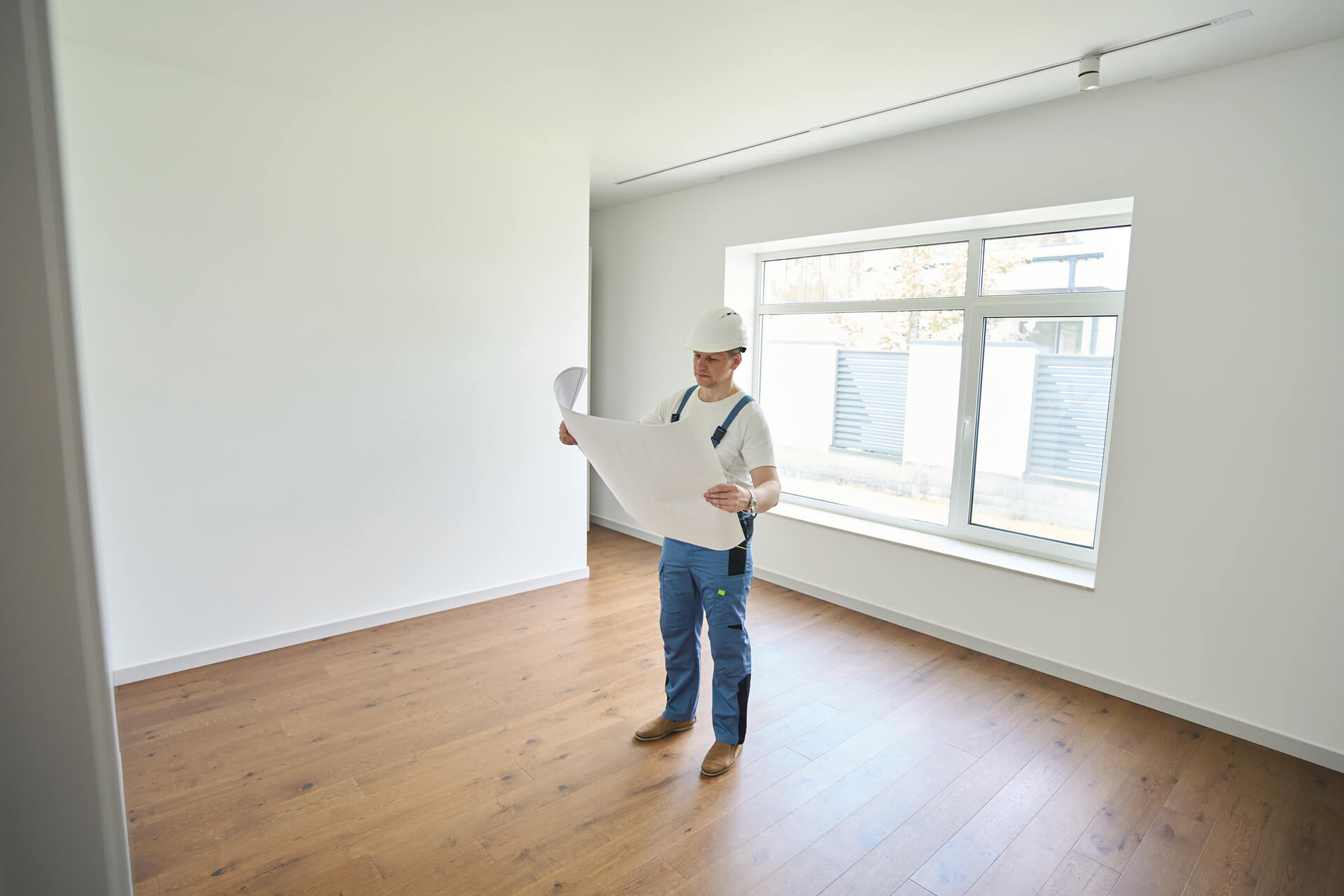
A viewing is not just “to see if we like it”. For the buyer it is a chance to gather as much information as possible about the real condition of the property. That’s why it’s important not to rush and to carefully inspect every room.
During the viewing, pay attention to the following warning signs:
- Stains on the ceiling and walls – especially in corners, around chimneys and wet rooms;
- Smell of damp or mould, even if you don’t see visible patches;
- Peeling wallpaper or laminate, warped skirting boards;
- Cracked joints in the bathroom, traces of frequent repairs on the tiles;
- Flickering lights, extension leads and sockets that look like they were added later;
- Noise from neighbours or the street with windows closed – stay at least 5–10 minutes and just listen;
- Traces of previous leaks in the stairwell or in the basement.
It’s useful to do viewings in daylight and, if possible, at different times of the day – for example once during the day and once in the early evening. This way you will feel the actual noise, light and traffic levels.
Technical inspection – why it’s worth it
When you’re making a serious investment, a professional technical inspection is a smart move. This means hiring an engineer or construction specialist to inspect the property and the common areas and give an expert opinion on its condition.
Such a specialist can assess:
- The condition of the structure and visible load-bearing elements;
- The general state of plumbing and electrical installations;
- The quality of the windows and insulation;
- The possibilities for alterations and the risks related to them.
The cost of this service is small compared to the problems it can prevent. Especially in older buildings or properties you already have doubts about, a professional opinion is extremely valuable.
Legal aspects of hidden defects
Bulgarian law protects the buyer if, after the purchase, hidden defects are discovered which:
- The buyer was not informed about, and
- Already existed at the time of the transaction.
Within specific time limits, the buyer has the right to claim:
- Repair of the defect at the seller’s expense;
- Reduction of the purchase price;
- Cancellation of the contract in severe cases.
In practice, such disputes are complex and often require expert reports and assistance from a lawyer. That’s why it is much more reasonable to act preventively – careful viewings, technical expertise, asking questions to the seller, talking to neighbours.
When the broker’s role is crucial
An experienced real estate broker is not a structural engineer, but they know the different types of buildings, the common problems and the warning signs that raise suspicion.
A professional team like Varna Home Center can help you:
- Ask the right questions to the seller;
- Check the history of the property – previous transactions, known issues;
- Arrange additional inspections if there are doubts about damp or structural problems;
- Judge whether the price is adequate for the actual condition of the property.
When you use the “Search property” platform of Varna Home Center, you don’t just get access to current listings in Varna – you also get the chance to work with brokers who monitor the market daily and know which types of buildings carry a higher risk.

How to reduce the risk of hidden defects – a practical approach
Risk can never be reduced to zero, but it can be significantly minimised if you act systematically:
- Do viewings in daylight and don’t rush your decision;
- Ask direct questions about repairs, leaks and complaints from neighbours;
- Inspect the common areas and basements – building problems often show there first;
- Consider a technical inspection in case of doubt or a bigger investment;
- Have a lawyer review the documents before signing a preliminary contract.
When you combine your own attention to detail with the experience of an agency like Varna Home Center, buying a property becomes a much safer and more predictable process.